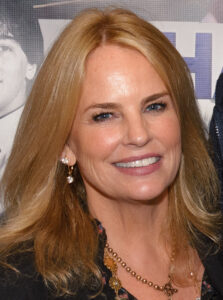
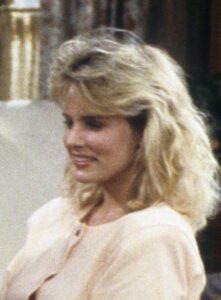
In the dynamic and ever-evolving entertainment landscape of the 1980s, a decade defined by bold personalities, memorable performances, and rapidly shifting cultural tastes, certain actors stood out not because they dominated headlines, but because they connected with audiences in a more subtle and enduring way. Jennifer Runyon was one of those rare individuals whose presence on screen felt immediately genuine, as though she were not performing for an audience but simply inhabiting the moment with quiet confidence and ease. At a time when exaggerated expressions and high-energy portrayals often defined success, her approach was refreshingly grounded. She brought a sense of sincerity to her roles that allowed viewers to see pieces of themselves reflected back, creating a connection that did not rely on spectacle but instead on emotional truth. This ability to resonate without overwhelming made her performances memorable in a way that lingered long after the credits rolled, giving her a distinct place within the era’s creative landscape.
Her early career unfolded with a steady rhythm that reflected both patience and a clear sense of identity. Rather than chasing instant fame or attempting to fit into a single mold, she explored a range of roles across film and television, each one adding depth to her growing body of work. She demonstrated an ability to adapt without losing the essence of what made her unique, maintaining a consistent authenticity regardless of the character she portrayed. This balance allowed her to remain approachable in the eyes of audiences, someone who felt relatable rather than distant or untouchable. Her performances often carried a warmth that suggested a deeper understanding of human emotion, enabling her to elevate even smaller roles into moments of quiet significance. In an industry where visibility often depends on dramatic breakthroughs, her rise was defined instead by consistency, reliability, and a commitment to craft that did not seek immediate recognition but earned lasting appreciation over time.
As her visibility increased and opportunities expanded, she reached a point that many actors spend years striving toward, a moment where the path ahead seemed filled with potential for even greater success. Yet it was precisely at this juncture that she made a decision that would ultimately define her story in a way few could have anticipated. Rather than continuing to pursue the demanding and often unpredictable nature of an acting career, she chose to step away from the spotlight and redirect her focus toward a more personal and grounded life. This transition was not marked by a dramatic farewell or a public declaration, but instead unfolded gradually, reflecting a thoughtful and deliberate shift in priorities. In choosing family and personal fulfillment over continued fame, she embraced a perspective that is often overlooked in discussions of success. Her decision highlighted the idea that achievement is not solely measured by professional milestones, but also by the ability to create a life that aligns with one’s values and brings a sense of lasting contentment.
Her life beyond the screen revealed a dimension of character that extended far beyond her professional accomplishments. Those who knew her described a person who embodied kindness, thoughtfulness, and a deep sense of presence, qualities that were not performed but lived consistently in her everyday interactions. Her marriage to Todd Corman became a central pillar of her life, representing a partnership built on mutual respect and shared priorities. Together, they cultivated a family environment that emphasized connection, support, and a sense of normalcy away from the pressures of public attention. Raising their children, Wyatt and Bayley, she embraced a role that required a different kind of dedication, one that did not come with applause or recognition, yet carried profound significance. This chapter of her life reflected a conscious choice to invest in relationships and experiences that would endure beyond the fleeting nature of public acclaim, reinforcing the idea that fulfillment often lies in the quiet, uncelebrated moments that shape who we are.
Over time, her absence from the entertainment industry did not diminish the impact of her earlier work, but instead added a layer of reflection to how it was remembered. Audiences who revisited her performances often found themselves appreciating the subtlety and authenticity she brought to her roles, recognizing qualities that may have been overlooked in an era driven by more immediate forms of attention. Her decision to step away also contributed to a sense of respect, as it stood in contrast to the expectation that success must always be pursued relentlessly. In a culture that often equates visibility with value, her story offered an alternative perspective, one that emphasized the importance of personal choice and the courage to redefine one’s path. Her work remained a testament to her talent, while her life beyond it became an example of how success can take many forms, each one valid in its own way.
Ultimately, her legacy is shaped not only by the roles she played, but by the life she chose to live when the cameras were no longer present. It is a legacy rooted in authenticity, balance, and a quiet strength that does not demand recognition but leaves a lasting impression nonetheless. Her journey challenges conventional narratives about fame and achievement, reminding us that the most meaningful accomplishments are often those that align with our deepest values. By stepping away at a time when she could have continued to rise within the industry, she demonstrated a clarity of purpose that is both rare and inspiring. Her story endures as a reflection of what it means to live thoughtfully, to prioritize what truly matters, and to understand that a life well lived is not defined by how brightly it shines in the public eye, but by the depth of its impact on the people and moments that matter most.