Harrison Ford’s name now sits comfortably among Hollywood’s most enduring legends, forever linked to characters like Han Solo and Indiana Jones. But long before he became one of the highest-grossing actors in cinema history, Ford’s life looked nothing like the glamorous image people often associate with movie stars. His path to fame was slow, uncertain, and grounded in years of ordinary labor that shaped both his character and his career in ways few audiences ever see.
A Quiet Beginning Far from Hollywood
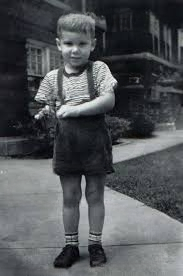
Born in Chicago in 1942 and raised in the suburban town of Park Ridge, Illinois, Ford grew up in a stable, middle-class household far removed from the film industry. His father worked in advertising, and his mother had a background in radio acting, though she largely stepped away from performance to focus on family life. Despite that small creative connection, Ford’s upbringing was practical rather than theatrical.
He wasn’t a standout student or an early performer chasing the spotlight. In fact, he has often described himself as shy and somewhat directionless during his teenage years. There were no dramatic school plays that hinted at future stardom, no early signs that he would one day command blockbuster franchises. Instead, his youth was defined by routine, modest expectations, and a quiet personality that didn’t immediately lend itself to acting.
An Accidental Introduction to Acting
After high school, Ford attended Ripon College in Wisconsin, where he studied English and Philosophy. It was there that acting entered his life—almost by accident. Looking for an easy way to improve his GPA, he enrolled in a drama class during his final year.
What began as a strategic academic decision turned into something unexpectedly meaningful. Although he was initially uncomfortable performing in front of others, the class introduced him to storytelling, character, and the emotional depth of performance. It wasn’t a moment of instant transformation, but it planted a seed.
Still, his college journey didn’t end on a triumphant note. Just days before graduation, Ford was expelled due to plagiarism. The abrupt end to his academic path left him at a crossroads, with no degree and no clear plan for the future.
The Move to Hollywood—and Early Struggles
In 1964, Ford moved to Los Angeles, hoping to pursue acting professionally. Like many young hopefuls arriving in Hollywood, he imagined opportunities might come quickly. Instead, he encountered the harsh reality of the industry.
He signed a contract with Columbia Pictures, but the roles he received were small, often uncredited, and did little to build momentum. He appeared in minor television parts and bit roles in films, sometimes so insignificant that they barely registered with audiences.
Directors didn’t immediately see star potential. In fact, some executives reportedly told him he lacked the charisma needed to succeed as a leading man. It was a discouraging start—one that might have ended many careers before they truly began.

Turning to Carpentry: A Practical Lifeline
Facing financial pressure and the responsibilities of supporting a young family, Ford made a decision that would quietly shape his future: he taught himself carpentry.
What began as a practical solution soon became a reliable trade. He built cabinets, installed doors, and worked on home renovations. Unlike acting, carpentry offered steady income and tangible results. It allowed him to provide for his family without relying entirely on unpredictable acting jobs.
More importantly, it gave him something many struggling actors lack—independence.
Because he wasn’t desperate for every audition, Ford could be selective. He didn’t have to accept roles he didn’t believe in just to survive. This freedom allowed him to maintain a sense of dignity and patience, even when success seemed far away.
Craft, Discipline, and Identity
Carpentry wasn’t just a job—it became part of Ford’s identity. Working with his hands grounded him. It required focus, precision, and problem-solving—qualities that would later translate into his acting.
He has often spoken about the satisfaction of building something real, something functional. In contrast to the uncertainty of Hollywood, carpentry offered clarity: you measure, you cut, you assemble, and the result is visible.
This mindset shaped how he approached acting. He didn’t view it as a glamorous pursuit, but as a craft—something to be practiced, refined, and respected.
A Chance Connection Changes Everything
One of the most fascinating aspects of Ford’s journey is how his carpentry work eventually connected him back to acting.
While working on projects for clients in Los Angeles, he was hired by writer Joan Didion and her husband John Gregory Dunne. Through this network, Ford found himself in proximity to influential figures in the film industry.
Eventually, he crossed paths with director George Lucas. Initially, Ford wasn’t being considered as a major actor for Lucas’s projects. Instead, he helped by reading lines with auditioning actors—a kind of informal assistant role.
But something about his presence stood out.
First Break: American Graffiti
Ford landed a role in American Graffiti, directed by George Lucas. While not a leading role, it marked his first significant step toward recognition.
The film was a success and became a cultural touchstone, but it didn’t instantly transform Ford into a star. He continued to take on smaller roles and, importantly, kept working as a carpenter.
This period is often overlooked, but it’s crucial to understanding his story. Even after appearing in a successful film, he didn’t suddenly “arrive.” His progress remained gradual, uncertain, and grounded in persistence.
The Long Road Before Breakthrough
In the years that followed, Ford appeared in respected films like The Conversation and Apocalypse Now. These projects connected him with major directors and actors, but his roles were still relatively small.
He wasn’t yet a household name. He wasn’t leading films. And financially, he still relied on carpentry to maintain stability.
This stage of his life highlights something important: success isn’t always linear. Even with talent, connections, and experience, recognition can take time.
The Role That Changed Everything
The defining moment in Ford’s career came when George Lucas cast him as Han Solo in Star Wars.
Interestingly, Ford wasn’t the obvious choice at first. Lucas had initially considered other actors and was hesitant to reuse someone from American Graffiti. But Ford’s natural delivery, dry humor, and grounded presence ultimately won him the role.
When Star Wars was released, it became a global phenomenon. The film revolutionized cinema, redefining blockbuster storytelling and capturing the imagination of audiences worldwide.
And with it, Harrison Ford’s life changed overnight.
From Supporting Actor to Cultural Icon
Han Solo wasn’t just another character—it became one of the most iconic figures in film history. Ford brought a unique blend of charm, cynicism, and vulnerability to the role, making Han Solo both relatable and unforgettable.
Suddenly, the carpenter-actor who had struggled for years was an international star.
But what makes Ford’s story remarkable is that his rise didn’t stop there.
Building a Legacy with Indiana Jones
Following the success of Star Wars, Ford teamed up with George Lucas again, along with director Steven Spielberg, to create another legendary character: Indiana Jones.
Beginning with Raiders of the Lost Ark, the Indiana Jones series cemented Ford’s place as a leading man. The character combined adventure, intellect, and rugged determination—qualities that matched Ford’s grounded personality.
Together, Han Solo and Indiana Jones defined an era of cinema and established Ford as one of Hollywood’s most bankable stars.
Staying Grounded Despite Fame
Despite decades of success, Ford has remained notably private and grounded. He never fully embraced the stereotypical Hollywood lifestyle. Instead, he maintained a strong connection to the values he developed during his years as a carpenter.
He often describes acting not as a glamorous pursuit, but as a job—one that requires discipline, preparation, and responsibility.
This perspective has helped him navigate fame without losing his sense of identity.
Life Beyond Hollywood
Outside of acting, Ford has cultivated a life that reflects his practical roots. He owns a large ranch in Wyoming, where he spends time flying planes, working with his hands, and enjoying a quieter lifestyle away from the spotlight.
He’s also known for his passion for aviation and environmental conservation, supporting causes related to sustainability and wildlife protection.
Even after achieving immense wealth and recognition, he continues to value simplicity and independence—traits shaped long before fame entered the picture.
Longevity in a Changing Industry
Ford’s career has spanned decades, a rare achievement in Hollywood. He has reprised iconic roles, taken on new challenges, and remained relevant across generations of audiences.
From action films to dramas, his versatility and consistency have allowed him to maintain a lasting presence in an industry known for rapid change.
A Story of Patience, Not Luck
What makes Harrison Ford’s journey truly compelling is that it defies the myth of overnight success.
His story isn’t about sudden discovery or instant fame. It’s about years of effort, setbacks, and persistence. It’s about working a trade, raising a family, and continuing to pursue a dream without guarantees.
Carpentry wasn’t a detour—it was part of the foundation.
It gave him stability, perspective, and the freedom to wait for the right opportunities.
The Deeper Meaning Behind the Journey
Ford’s path offers a broader lesson about success. It shows that unconventional routes can lead to extraordinary outcomes. That skills developed outside your primary goal can still shape your future in meaningful ways.
And perhaps most importantly, it highlights the value of patience.
In a world that often celebrates quick results, Ford’s story is a reminder that lasting success is often built slowly, through consistent effort and resilience.
The Bottom Line
Harrison Ford’s journey from carpenter to global icon is not just a story about Hollywood—it’s a story about persistence, craftsmanship, and staying true to yourself.
Before the fame, before the red carpets, before the legendary roles, there was sawdust, tools, and long days of manual work.
And in many ways, those years mattered just as much as the ones that followed.
Because in Ford’s case, the sawdust didn’t just come first—it helped build the foundation for everything that came after.